Living Like Jesus Instead of Just Talking about Him
Spiritual Life

Audio By Carbonatix
8:45 AM on Thursday, October 22
By Dr. Kent Ingle, Spiritual Life

We are currently living in the golden age of theological content. Never before in the history of the Christian faith has so much information been so readily accessible. We have built massive platforms to broadcast the teachings of Christ. We are arguably the most educated and resourced generation of church leaders to ever exist.
Yet, despite this unprecedented abundance of Christian content, our culture is growing increasingly secular and deeply polarized. This reality should force church leaders to ask: why is our ability to talk about Jesus not translating into cultural transformation?
The uncomfortable truth is that the modern church has become remarkably proficient at talking about what Jesus did, while frequently failing to actually live how Jesus lived. We have subtly taught our congregations that to be a faithful Christian means having the right theology, holding the correct worldview, and attending the right weekly services.
Knowing the original Greek root of a biblical word is a wonderful academic achievement, but it means very little if we refuse to forgive our neighbors. The world is not rejecting the gospel because they lack theological information. In many cases, they are rejecting the gospel because they simply do not see the life of Jesus manifested in the people who claim to follow Him.
When Jesus called His first disciples, His invitation was strikingly simple. He simply looked at them and said follow Me. Discipleship is the radical, physical embodiment of a lifestyle.
If we are going to stop merely talking about Jesus and start actually living like Him, we must commit to shifts in our daily rhythms.
1. Adopt the Unhurried Pace of Jesus
If we are going to live like Jesus, we must first be willing to adopt the pace of Jesus. When you read the four Gospels, one of the most striking realities about the life of Christ is that He was never in a rush. He had arguably the most important mission in history. He only had three short years of public ministry to accomplish it. Yet, the Savior of the world constantly allowed Himself to be interrupted.
He stopped for a bleeding woman in the middle of a crowd. He paused to bless little children when His own disciples tried to push them away. He lingered at a well in Samaria to have a long, unhurried conversation with a socially outcast woman. Jesus understood what modern ministry leaders often forget. Hurry is the death of love.
Today, pastoral leadership is often plagued by efficiency. Rushing from staff meetings to counseling sessions to sermon preparation, running our ministries with the frantic efficiency of a corporate executive. We treat people as items on a checklist rather than souls in need of a shepherd. But you cannot love people like Jesus if you do not have the time to stop for them like Jesus. Living like Christ requires us to slow down. Learning to view interruptions not as annoyances, but as divine appointments. We must learn to walk slowly through the crowd so we can actually notice people.
2. Embrace the Messy Proximity of Jesus
If we are going to live like Jesus, we must also adopt the proximity of Jesus. Christ did not execute His ministry exclusively from the safe confines of the local synagogue. He moved directly into the neighborhood. He intentionally stepped across cultural, social, and religious boundaries that the religious elite of His day were terrified to cross.
Jesus touched the lepers whom society had banished. He sat down for unhurried meals with tax collectors and notorious sinners. He allowed a woman with a sinful reputation to wash His feet. The Pharisees preferred a religion of distance, where holiness was maintained by staying far away from anything broken, messy, or unclean. Jesus practiced a religion of proximity, where true holiness was demonstrated by bringing light directly into the darkest and messiest corners of society.
Too often, the modern church operates much more like the Pharisees. We build beautiful, comfortable fortresses and invite the world to come to us on our terms. We want to minister from a safe distance, remaining inside our Christian bubbles. But incarnational living requires us to leave that bubble. It challenges us to cross the street, open our dining room tables to our non-believing neighbors, and be fully present in the messy reality of broken lives. You cannot transform a community from a distance. We must be willing to sit at tables where we feel uncomfortable and bring the grace of God into spaces the church has long abandoned.
3. Assume the Downward Posture of Jesus
Finally, living like Jesus requires us to adopt the posture of Jesus. We live in a cultural moment where everyone is fighting for a platform. The broader world operates entirely on a system of upward mobility. People are constantly climbing the corporate ladder, gaining more followers, accumulating more power, and desperately securing a seat at the table of cultural influence. Sadly, this obsession infiltrates church leadership. We try to have the biggest platform, the most influence, and the loudest voice.
But the Kingdom of God operates on a different economy. The way of Jesus is always the way of downward mobility. On the night before He was crucified, at the absolute pinnacle of His earthly ministry, the King of Kings washed the filthy, calloused feet of His disciples. He willingly took the posture of the lowest household slave.
Jesus told His followers that whoever wants to be great in His kingdom must become the servant of all. If we are going to live like Him, we must be willing to serve others. True spiritual authority does not flow from the size of our church, the reach of our podcasts, or our proximity to political power. True authority flows from sacrifice. It means prioritizing the unseen members of our congregations. It means leading with quiet humility that completely contradicts the relentless self-promotion of the modern age.
A Final Thought
Talking about what Jesus did is safe and comfortable. It demands very little of us. But actually living like Jesus is disruptive. If you want to move your congregation from mere intellectual agreement to incarnational living, you must lead the way.
This week, consciously choose to integrate the pace, proximity, and posture of Christ into your routine. Look at your calendar and create intentional margin, leaving space to walk slowly and offer someone your unhurried attention. Step outside of your cultural bubble and invite someone to dinner, seeking to build a relationship.
When our communities look at our churches and see the unhurried pace, the radical proximity, and the servant-hearted posture of Jesus Christ alive and well in our leaders, they will not just hear the gospel. They will see it. And that is a witness the world simply cannot ignore.
Photo Credit: ©Getty Images/ppengcreative
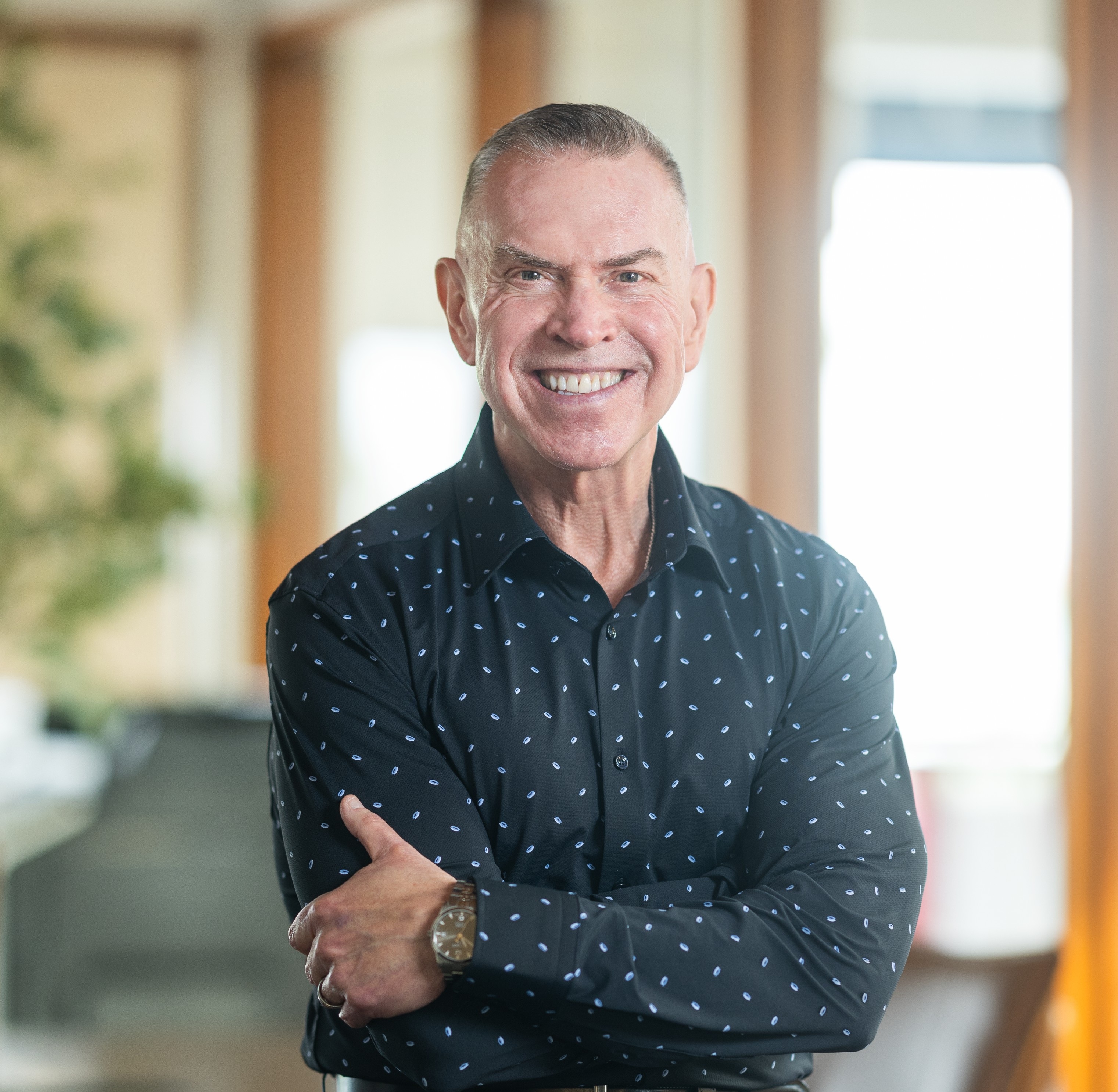 Dr. Kent Ingle serves as the 15th president of Southeastern University (SEU) in Lakeland, Florida — one of the fastest-growing private institutions in the nation as recognized by The Chronicle of Higher Education. Since assuming leadership in 2011, SEU’s enrollment has grown from approximately 2,500 students to more than 13,600, with a network of over 250 extension sites and regional campuses across the country. A champion of innovative educational design, Dr. Ingle has pioneered accessible and affordable education models that are transforming higher education.
Before becoming president of SEU, Dr. Ingle held leadership positions in higher education, pastoral ministry, and the nonprofit sector. He is widely recognized as an expert in organizational turnarounds, having successfully led teams through transformational change in Los Angeles, Chicago, and Seattle.
Prior to entering professional ministry, Dr. Ingle spent a decade as a television sports anchor for NBC and CBS affiliates, beginning his career at the age of 18 in Bakersfield, California, and concluding in Los Angeles. During his career, he covered major professional sports teams and interviewed iconic athletes including Michael Jordan, Magic Johnson, Kareem Abdul-Jabbar, Pete Rose, Muhammad Ali, and Carl Lewis.